9+ curated guides • Updated November 2025
You're craving authentic tacos, not a plate of microwaved cheddar cheese on a soggy tortilla. Before you trust a generic 4-star rating, learn the secrets the pros use. The first test is the free chips and salsa—if they fail that, you should probably walk right out the door. This isn't about snobbery; it's about respecting a culinary tradition as deep and complex as any in the world. I'm going to arm you with the knowledge to bypass the culinary tourist traps and find the places that cook with heart, or corazón. We'll cover everything from the consistency of the salsa to the cheese they use and why a giant menu is often a sign of a giant freezer.
You've seen the H&M chain scarf everywhere; it's the perfect, edgy accessory for right now. But what happens in six months when the trend fades? Before you relegate it to the donation pile, consider this: its true value isn't as a scarf, but as a kit for your next favorite DIY accessory. This isn't just another piece of fast fashion destined for the landfill. It's a treasure trove of raw materials—links, clasps, and connectors—waiting for a style-savvy hacker like you to unlock its true potential. We're going to transform this fleeting trend into a collection of timeless, personalized pieces that will outlast the hype cycle.
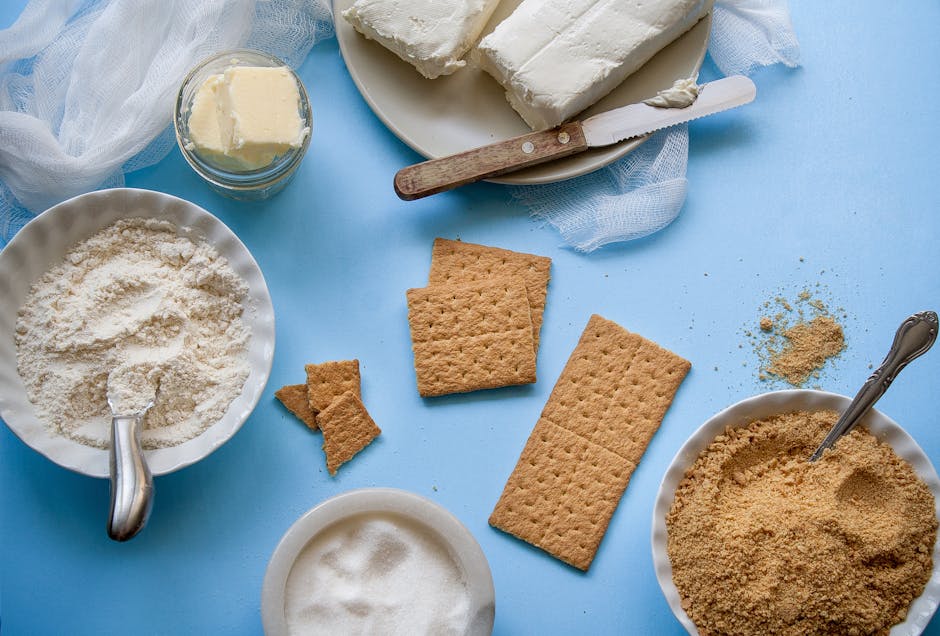
Stop chasing the internet's 'perfect' peanut butter cookie recipe and start engineering your own. We're breaking down the simple food science—from the role of brown sugar to the melting point of your butter—so you can control the outcome and finally bake the exact cookie you've been craving, every single time. This isn't about finding a single recipe; it's about understanding the system. The peanut butter cookie is a beautiful matrix of interacting variables: fat, sugar, flour, and leavening. By adjusting the levers on each of these components, you become the architect of your own ideal cookie. Whether you crave a cookie that bends without breaking, one that snaps with a satisfying crackle, or one that yields like a soft pillow, the power is in your hands. Let's enter the matrix.
The dopamine hit from a 50% discount is temporary, but the frustration of a useless gadget lasts all year. This Cyber Monday, we're filtering out the noise and the hype. This isn't just a list of what's cheap; it's a curated guide to what's worth it, based on what real people still love and use months after the purchase. We're bypassing the fleeting thrill of the 'doorbuster' to focus on purchases that integrate seamlessly into your life, solving real problems and delivering value long after the novelty has faded. This is your blueprint for a shopping day that ends with satisfaction, not a pile of future clutter.
You've found them: the perfect $400 designer earrings shimmering on your screen, ready to elevate your entire wardrobe. But before you click 'buy', have you ever questioned what that luxury price tag actually represents? We're pulling back the curtain to investigate whether you're paying for true craftsmanship or simply a name brand stamped on gold-plated brass. This isn't about shaming your love for luxury; it's about arming you with the knowledge to demand more for your money and your values. The world of online designer jewellery is a dazzling one, but beneath the polished photography and influencer endorsements lies a complex reality of material science, marketing psychology, and staggering profit margins. It's time to become a more discerning consumer and look beyond the logo.
You came looking for a simple cast list, but the names involved in 'Celebrity Bear Hunt' tell a much deeper story. This wasn't just a TV show; it was a high-stakes career gamble and a fascinating, controversial experiment in celebrity culture. Before we list the stars who signed up, let's explore the far more interesting question: why would they? The answer isn't simply money; it's a complex cocktail of desperation, ego, and a calculated bet on the modern media landscape. To understand the cast of 'Celebrity Bear Hunt' is to understand the different pressures facing public figures in an era where relevance is the only currency that truly matters. Each participant represents a specific archetype, a case study in the extreme measures one might take to either reclaim a fading spotlight or forge a new one from the ashes of a previous career.
That delicate necklace or bold statement ring you chose this morning wasn't just an afterthought. It was a subconscious decision that broadcasts a story about who you are. We'll decode the hidden language of your favorite accessories, exploring the powerful psychological link between your jewelry box and your identity. This isn't about following trends; it's about understanding the silent dialogue between your inner self and the external world, mediated by the metals and stones you choose to wear. Prepare to see your collection not as mere decoration, but as a curated exhibition of your own psyche.
That long, dangling belt end you see on city streets and style feeds isn't a mistake or a sign of sloppiness; it's a statement. In an age of algorithm-approved perfection and hyper-curated digital lives, this small act of 'sprezzatura' is fashion's quiet rebellion—a deliberate choice to be beautifully undone. It’s a sartorial sigh of relief, a crack in the polished veneer of our online personas. This trend isn't about the belt itself, but about the space it occupies—the un-tucked, un-looped, and uncontrolled. As a fashion anthropologist, I see this not as a fleeting fad, but as a significant cultural marker reflecting our collective fatigue with flawlessness.
Have you ever wondered why you call your earrings 'hikaw' (a native Tagalog word), but your watch a 'relo' (from Spanish), and your favorite handbag is just a 'bag' (from English)? This isn't just a language quirk. The words we use for our accessories are a fascinating timeline of Filipino culture, and we're about to unpack the history hidden in your closet. Each word is a cultural artifact, a fossilized remnant of a specific era's influence on our identity and how we choose to adorn ourselves. By examining the etymology of these everyday items, we're not just learning linguistics; we're excavating the story of the Philippines, one accessory at a time.